
By Pat Carty.
The UK’s Strategic Defence Review, published in June 2025, described Special Forces as the “tip of the spear” for British defence and integrated by design. UK’s Special Forces would also be capable of reaching strategically significant targets in the most demanding environments, whilst operating across all domains, both discreetly and covertly. However, the review offered little detail on how that ambition would be financed. It committed simply to continuing to enhance the Special Forces and to maintaining their capability at the very highest level, preserving the UK’s sovereign freedom of action.
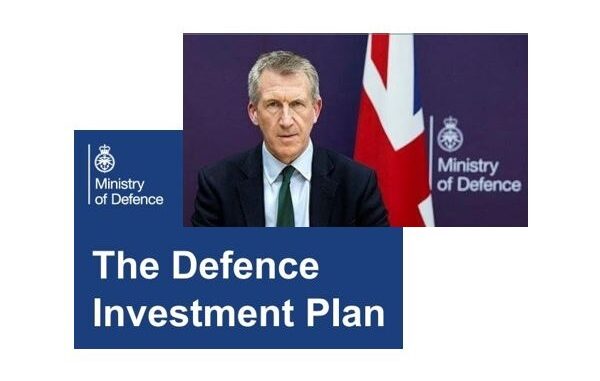
When the long-awaited Defence Investment Plan was finally published on 30 June 2026, there was genuine hope that more substance would follow. That hope was boosted by the political drama which had preceded it: Defence Secretary John Healey resigning on 11 June, accusing the Prime Minister of failing to commit the resources needed to keep the country safe, and Armed Forces Minister Al Carns stepping down on the same day. Dan Jarvis, a former Army officer with operational experience in Iraq and Afghanistan, was appointed Defence Secretary in Healey’s place, spending his first two weeks in post refocusing the Plan’s priorities towards front-line capability. The question was whether the final document would deliver.
For Special Forces, the answer was, once again, vague to say the least. What the Plan did confirm was a broad investment package framed around a wider transformation of British military lethality. More than £5 billion is committed over the next four years to fund a drone transformation across the Armed Forces. Within that envelope, £650 million has been allocated to deliver inexpensive, expendable autonomous systems, including drones and uncrewed ground vehicles, to rapidly enhance the lethality of the Army, the Commando Force and the Special Forces. That total includes a specific £50 million boost over the next twelve months to the Army’s RAPSTONE rapid lethality programme, funding additional first-person-view and interceptor drones.
Beyond the autonomous systems package, the Prime Minister confirmed in his speech launching the Plan that over £500 million will be invested in new technology and capabilities for the Commandos and Special Forces combined. The stated intent is to ensure these forces are equipped with the highest-end capabilities, maintained and held at readiness to act decisively and at speed, able to deter and outmanoeuvre adversaries, protect UK interests around the world, recover British citizens abroad when required, and support civil authorities during unrest or when needed.
As with every defence review before it, the Plan was explicit that the security of Special Forces personnel, their equipment, and their tactics, techniques and procedures must be protected. So yet again, detailed investment specific to UK Special Forces was yet again not disclosed in detail, as it remains classified.
Looking further ahead, the Plan does signal a further phase of investment in Special Forces capability between 2030 and 2035. These future investments are intended to deliver enhanced global reach and awareness, sustaining and deepening the unique role that Special Forces play in protecting the nation’s interests. But, that detail, as ever, will remain out of sight.
*********
Author: Pat Carty is a NATO accredited journalist who covers military news, events, operations, and exercises; including special operations forces. He is a contributor to SOF News as well as several other military defense publications.
Image: Defence Secretary The Rt Hon Dan Jarvis MBE MP (images UK MoD).